Ugliest dog breeds often spark curiosity, laughter, and even controversy. While beauty is usually associated with symmetry and elegance, some dog breeds proudly break every conventional rule of attractiveness. These dogs may have wrinkled skin, bulging eyes, crooked teeth, or sparse fur—but they also possess charm, loyalty, and character that many traditionally “beautiful” breeds cannot match.
In this in-depth guide, we’ll explore why ugliest dog breeds have become so popular, what makes them visually unique, and why their unconventional appearance often hides a heart of gold. From internet-famous canine celebrities to loyal family companions, these dogs prove that beauty truly lies in the eye of the beholder.
What Defines the Ugliest Dog Breeds?
The term “ugliest dog breeds” is subjective and rooted largely in human perception rather than any scientific standard. Dogs are typically labeled “ugly” when they possess exaggerated physical traits such as excessive wrinkles, protruding eyes, flattened faces, or uneven coats. These features often arise from selective breeding and are closely tied to a breed’s historical purpose or genetic lineage.
Despite the label, these physical traits do not indicate poor health or low intelligence by default. In fact, many ugliest dog breeds are perfectly healthy when responsibly bred. Their appearance simply deviates from what society has long deemed aesthetically pleasing, making them stand out in a crowd.
Another factor contributing to the classification of ugliest dog breeds is pop culture. Annual “ugliest dog” contests and viral social media posts reinforce stereotypes about canine beauty. While often humorous, these platforms also help raise awareness and encourage adoption of dogs that might otherwise be overlooked due to their looks.
Famous Ugliest Dog Breeds and Their Unique Features
Some of the most well-known ugliest dog breeds have gained fame precisely because of their unconventional appearance. The Chinese Crested, for instance, is often hairless with tufts of fur on its head and tail, combined with prominent eyes and uneven teeth. These traits make the breed a frequent winner in ugly dog competitions.
Another standout among ugliest dog breeds is the English Bulldog. With its wrinkled face, droopy jowls, and stout body, the bulldog challenges traditional beauty norms. Yet its friendly temperament and gentle nature make it one of the most beloved family dogs worldwide.
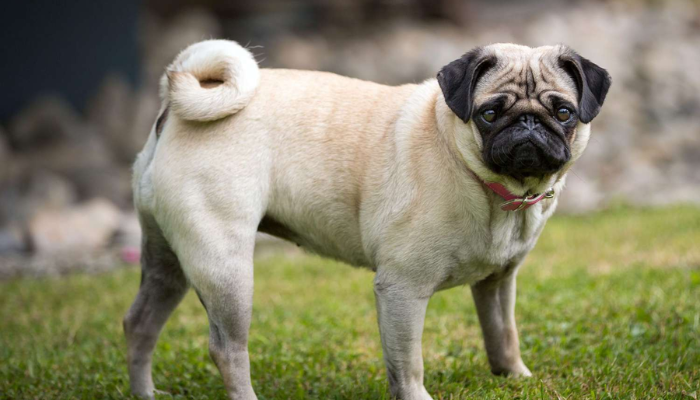
The Pug also earns a place on many ugliest dog breeds lists due to its bulging eyes and squashed face. However, pug owners often argue that these very traits add to the breed’s irresistible charm. These examples show how so-called ugliness often transforms into iconic appeal.
Why Ugliest Dog Breeds Are Surprisingly Lovable
Ugliest dog breeds often possess larger-than-life personalities that quickly overshadow their appearance. Many owners report that these dogs are exceptionally affectionate, loyal, and eager to please. Their unique looks often spark conversations, creating strong emotional bonds between dogs and humans.
Additionally, ugliest dog breeds frequently demonstrate resilience. Dogs with unusual features may have faced neglect or abandonment, making them incredibly grateful and devoted companions once adopted. This emotional depth is one reason many people actively seek out these breeds.
From a psychological standpoint, humans tend to form deeper connections with animals that appear vulnerable. The unconventional features of ugliest dog breeds can trigger nurturing instincts, leading to stronger attachments and long-lasting companionship.
Health, Care, and Responsibility in Ugliest Dog Breeds
While ugliest dog breeds are undeniably charming, some require specialized care due to their physical traits. Wrinkled breeds may need regular skin cleaning to prevent infections, while hairless dogs require protection from sunburn and cold weather. Understanding these needs is essential for responsible ownership.
Breathing issues are another consideration, especially in flat-faced breeds often associated with ugliest dog breeds. Proper veterinary care, weight management, and climate awareness can significantly improve their quality of life. With the right care, these dogs can live long, happy lives.
Responsible breeding also plays a crucial role. Ethical breeders prioritize health and temperament over extreme physical features. Supporting responsible practices ensures that ugliest dog breeds remain healthy companions rather than victims of exaggerated breeding standards.
Redefining Beauty Through Ugliest Dog Breeds
The growing popularity of ugliest dog breeds reflects a broader cultural shift toward embracing diversity and individuality. These dogs challenge outdated ideas of perfection and remind us that uniqueness is something to be celebrated rather than hidden.
Social media has played a significant role in redefining beauty standards for dogs. Photos and videos of ugliest dog breeds regularly go viral, earning millions of followers and reshaping public opinion. What was once considered unattractive is now seen as quirky and endearing.
Ultimately, ugliest dog breeds teach us a valuable lesson: beauty is not about flawless appearance but about personality, loyalty, and love. These dogs prove that imperfections can be powerful, memorable, and deeply meaningful.
Conclusion
Ugliest dog breeds may not fit traditional beauty standards, but they excel where it truly matters—companionship, loyalty, and heart. Their unconventional appearance tells a story of resilience, individuality, and charm that resonates with dog lovers around the world.
By understanding and appreciating ugliest dog breeds, we move closer to a more inclusive view of beauty. These dogs remind us that love doesn’t depend on looks, and sometimes, the most unforgettable companions are the ones who dare to be different.
Frequently Asked Questions (FAQs)
1. What are considered the ugliest dog breeds?
Ugliest dog breeds typically include those with exaggerated features such as wrinkles, hairlessness, or flat faces, though this is subjective.
2. Are ugliest dog breeds unhealthy?
Not necessarily. With responsible breeding and proper care, many ugliest dog breeds live healthy lives.
3. Why do people like ugliest dog breeds?
Their unique appearance, loving personalities, and individuality make them especially appealing.
4. Do ugliest dog breeds require special care?
Some do, particularly breeds with wrinkles, hairless skin, or breathing sensitivities.
5. Are ugly dog contests harmful?
When handled respectfully, they often promote adoption and awareness rather than ridicule.
6. Can ugliest dog breeds be good family pets?
Yes, many are gentle, affectionate, and excellent with children.
7. Are ugliest dog breeds more affectionate?
While personality varies, many owners report strong emotional bonds with these breeds.
8. Is the term “ugliest dog breeds” offensive?
It can be subjective, but many owners embrace the term playfully and proudly.
9. Do ugliest dog breeds get adopted less often?
Historically yes, but awareness and social media have improved adoption rates.
10. What can we learn from ugliest dog breeds?
They teach us that beauty is subjective and that love goes far beyond appearances.
About the Author