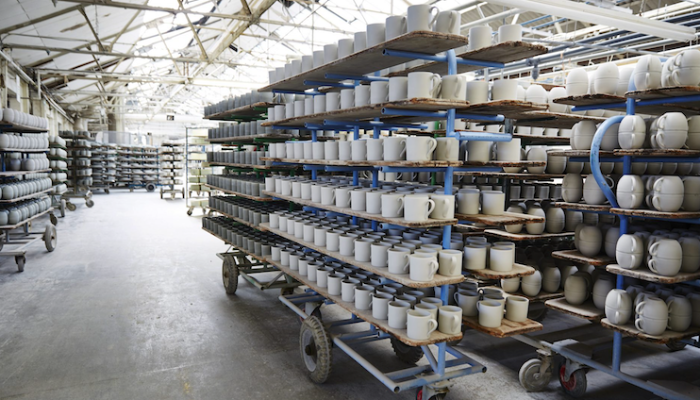
The announcement of royal stafford closing down shook the heart of the British ceramics industry and communities in Staffordshire. After nearly two centuries of craftsmanship, one of England’s oldest pottery firms entered liquidation, leaving dozens of workers without jobs and raising urgent questions about the future of traditional manufacturing in the UK. What once stood as a hallmark of pottery excellence now symbolizes the fragility of heritage industries in the face of modern economic pressures.
This article explores the closure in depth — from the historical roots of Royal Stafford and the economic factors behind its collapse, to the impact on the local community and potential paths forward for British pottery. By uncovering the broader narrative surrounding royal stafford closing down, we gain insight into how this event reflects wider trends affecting artisans, manufacturing, and cultural heritage in an evolving global economy.
A Storied Legacy Ends: The History of Royal Stafford
Royal Stafford held a place of immense historical importance within the British pottery landscape. Founded in the mid-19th century, the company had roots stretching back nearly 200 years, producing fine earthenware in the heart of the Staffordshire Potteries — a region synonymous with ceramics excellence. Its products were crafted in Burslem, a town deeply embedded in UK pottery heritage, and its presence helped maintain a lineage of artisanal skill and industrial identity that few brands could rival.
For generations, Royal Stafford tableware products graced homes across the UK and internationally. The company’s longevity was a testament to its ability to evolve through changing tastes and economic cycles. Yet, despite this resilience, the brand could not withstand a confluence of modern challenges. As royal stafford closing down became a reality, it marked the end of not just a business, but nearly two centuries of craft tradition.
What Led to the Closure? Key Economic and Industry Pressures
The closure of Royal Stafford did not happen in isolation — it was the result of mounting pressures that have beset manufacturers across the UK. One of the most significant factors was the dramatic rise in business costs, particularly energy. Pottery production is energy-intensive, requiring high heat for kiln firing. With energy prices surging in recent years, many traditional pot banks have struggled to cope with escalating bills. Critics say this has disproportionately affected companies like Royal Stafford that rely on domestic production.
In addition to energy costs, falling orders and increased competition from cheaper imports put additional strain on the business. International ceramics producers often benefit from lower overheads, allowing them to undercut prices and capture market share, a trend that has eroded demand for British-made pottery. These combined economic headwinds contributed directly to the company’s decision to enter liquidation — a stark example of how external market forces can overwhelm even heritage brands.
The Immediate Impact: Workers, Community, and Local Economy
When Royal Stafford closed its doors, the human cost was immediate and profound. More than 70 jobs were lost in the liquidation, affecting employees across production, administration, and support roles. For many staff, the closure came as a shock — workers arrived for shifts only to find the factory locked and notice of redundancy. This suddenness left many without pay and scrambling to file claims amid financial uncertainty.
The loss of Royal Stafford also struck a symbolic blow to the local community. Stoke-on-Trent and its surrounding towns have long been identified as the heart of British pottery, with generations of families working in ceramic production. The closure has amplified fears that this once vibrant industry could continue to diminish, threatening not only jobs but the cultural identity of a region built on clay and craftsmanship.
Aftermath and Revival Efforts: What Comes Next?
While the closure of Royal Stafford was a major blow, the story did not end there. The company’s site, machinery, and assets were acquired by TG Green & Co Limited — a ceramics manufacturer known for iconic Cornishware products. This acquisition allowed production to resume at the historic Burslem premises under new management, and a number of former Royal Stafford workers were reemployed to continue manufacturing pottery.
Under TG Green’s stewardship, production has restarted and orders have been secured, suggesting a potential partial revival of activity in the traditional pottery space. While this does not fully replace what was lost with Royal Stafford’s collapse, it does provide a bridge to preserving ceramics craftsmanship in the region and offers a blueprint for how heritage industrial sites can be repurposed and sustained.
Broader Significance: What Royal Stafford Closing Down Says About the Future of British Manufacturing
The closure of Royal Stafford highlights broader challenges facing British manufacturing,royal stafford closing down particularly sectors with deep historical roots but exposed to international competition and modern cost pressures. Traditional craft industries are often energy-intensive and slower to modernize, making them especially vulnerable in times of economic stress.
Policymakers, unions, and industry advocates have pointed to Royal Stafford’s collapse as a “wake-up call,” arguing for strategic intervention to protect heritage industries and support sustainable domestic production. Without such measures, critics warn, the UK risks losing not only jobs but valuable cultural legacies tied to communities like those in the Potteries.
The closure also underscores the importance of innovation, adaptation, and diversification as keys to future resilience. Whether through specialized products, technological upgrades, or targeted support, legacy manufacturers will need to find new ways to thrive in a rapidly changing economic environment.
Conclusion: Lessons from the Closure of a British Icon
The news of royal stafford closing down reverberated far beyond Stoke-on-Trent. It represents the culmination of longstanding pressures on heritage industries, from rising operational costs and global competition to shifting consumer demand. While the liquidation of Royal Stafford signaled the end of a historic era, the subsequent acquisition and revival efforts point toward the possibility of renewal and resilience.
Understanding what led to this closure and how the community is responding helps illuminate broader trends in British manufacturing’s future. As traditional industries adapt — and as stakeholders work to support them — the legacy of firms like Royal Stafford will continue to inform efforts to balance cultural heritage with economic sustainability.
FAQs: Royal Stafford Closing Down
1. Why did Royal Stafford close down?
Royal Stafford went into liquidation due to rising operational costs, especially energy prices, falling customer orders, and competitive pressure from lower-cost imports.
2. How long had Royal Stafford been in business?
The company traced its origins back to 1845, making it nearly 200 years old at the time of closure.
3. How many jobs were lost when Royal Stafford closed?
More than 70 positions were lost immediately when the company entered liquidation.
4. Did any former employees regain jobs after the closure?
Yes — some former Royal Stafford workers were rehired when TG Green & Co reopened production at the site.
5. What products did Royal Stafford make?
Royal Stafford was known for producing fine earthenware and tableware ceramics.
6. Who bought the Royal Stafford factory assets?
TG Green & Co Limited acquired the plant and machinery and has resumed some production operations.
7. What is the significance of the closure to Staffordshire?
The closure marked a significant cultural and economic loss for the region, known historically as the heart of British pottery.
8. Are other British pottery companies facing similar challenges?
Yes, several other traditional potteries have faced closures or restructuring due to similar market pressures.
9. Can British ceramics production survive in the current economy?
Survival may depend on innovation, niche markets, supportive policy measures, and adaptation to global competition. Observers see both challenges and opportunities ahead.
10. Does the Royal Stafford brand still exist?
Technically the original company has ceased, but parts of the business legacy continue through new production and preservation of craftsmanship at the Burslem site.
About the Author