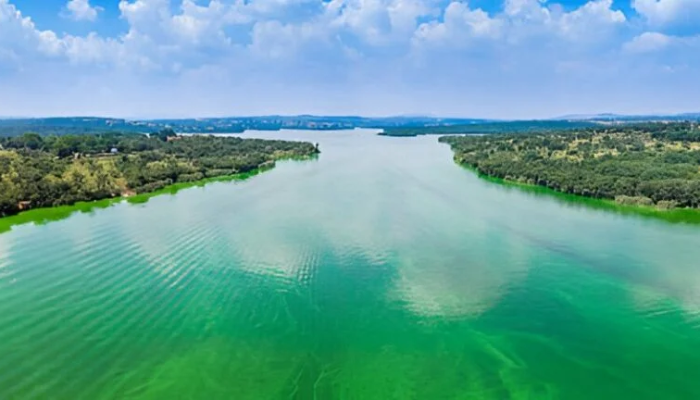
When writing about geographic locations, many people wonder why Lake Texoma should be capitalized and whether this capitalization follows specific grammar rules. This question may seem simple on the surface, but it actually brings together core principles of English grammar, proper noun usage, and naming conventions that apply to well-known landmarks. Since Lake Texoma is a popular destination, writers, students, marketers, and travel bloggers often want to ensure they use its name correctly in all professional and creative contexts.
The phrase “Lake Texoma should be capitalized” is more than a grammar reminder—it’s a starting point for understanding how names of lakes, rivers, mountains, and other iconic locations function in English. Using capitalization correctly not only enhances clarity but also boosts the professionalism and SEO value of your writing. In this in-depth guide, you’ll learn why Lake Texoma qualifies as a proper noun, the rules that govern capitalization of place names, and how to apply those rules across various writing situations.
Why “Lake Texoma” Is Always Capitalized as a Proper Noun
Because Lake Texoma refers to a specific, identifiable geographic feature, it qualifies as a proper noun. Proper nouns name unique people, locations, organizations, and formal titles. As a rule, all proper nouns are capitalized in English, which is why Lake Texoma should be capitalized every time it appears in formal or informal writing. This capitalization distinguishes the lake from generic bodies of water such as “a lake,” “the river,” or “a reservoir.”
Furthermore, the name “Lake Texoma” reflects a combination of “Texas” and “Oklahoma,” the two states that share the lake’s border. Since both state names are proper nouns, the combined form retains its capitalization. The word “Lake,” when used as part of the official name, is capitalized as well. This establishes a clear, grammatically correct format that aligns with standard naming rules for landmarks such as Lake Michigan, Lake Tahoe, or Lake Superior.
Grammar Rules That Explain Why Lake Texoma Should Be Capitalized
Understanding why Lake Texoma should be capitalized becomes easier when you break down the broader grammar principles behind capitalizing geographic names. When a noun refers to a one-of-a-kind place, it earns its status as a proper noun. Capitalization signals uniqueness and helps readers recognize that the writer is referencing a specific landmark rather than using a general term.
Another key rule involves modifiers within proper nouns. When a generic descriptor (such as “lake,” “river,” or “mountain”) is attached to a unique name, the descriptor is capitalized only when it forms part of the official title. For example, you would write “the lake is beautiful” in lowercase, but “Lake Texoma is beautiful” with both words capitalized. This distinction ensures consistent, grammatically sound writing across academic, travel, and editorial contexts.
The Role of Capitalization in Writing About Geographic Landmarks
When writing travel guides, educational articles, or historical pieces, accurate capitalization is essential for credibility and readability. By correctly capitalizing Lake Texoma, you demonstrate attention to detail and adherence to accepted style standards. This is particularly important in digital content, where proper capitalization influences SEO clarity and user trust.
From a creative writing perspective, capitalization also enhances the aesthetic rhythm of your sentences. A reader instantly recognizes “Lake Texoma” as a specific place with unique identity and meaning. Consistent capitalization is especially important in branding materials, tourism campaigns, and social media posts, where accuracy affects audience perception.
Common Mistakes Writers Make When Referencing Lake Texoma
One common error is lowercasing the word “lake” when using the official name. Writers sometimes treat “lake” as a general term rather than part of the full title, resulting in incorrect versions such as “lake Texoma.” However, because Lake Texoma should be capitalized, both words must appear in uppercase to follow proper noun rules. Avoiding this mistake improves both clarity and professionalism.
Another frequent mistake occurs in headlines or stylized text where writers attempt to capitalize all words or selectively capitalize only certain elements. Even in creative formatting, proper nouns must retain their correct capitalization. Whether used in a blog heading, academic paper, or promotional brochure, “Lake Texoma” should always maintain its standard capitalization to reflect the correct naming convention.
How Correct Capitalization Supports SEO, Branding, and Readability
Correct capitalization has a direct effect on how search engines interpret content. When you consistently use the properly capitalized phrase Lake Texoma, you increase keyword precision and reduce ambiguity in search indexing. This enhances the visibility and authority of your content, especially if your target audience includes tourism seekers, anglers, boaters, or regional travelers.
From a branding perspective, capitalization reinforces Lake Texoma’s identity as a major recreational and geographical landmark. Businesses, travel agencies, and content creators who mention the lake benefit from maintaining consistent naming standards. In readability terms, proper capitalization supports smooth reader comprehension and reinforces the structured hierarchy of language. When readers identify a proper noun instantly, they process sentences more quickly and with greater accuracy.
Conclusion
Understanding why Lake Texoma should be capitalized is essential for clear and effective writing. As a recognized proper noun and specific geographic landmark, Lake Texoma must appear with both words capitalized in all contexts. Whether you’re crafting SEO-optimized content, academic papers, marketing materials, or creative stories, this rule ensures accurate communication and maintains professional credibility. By mastering the principles behind capitalization, you enhance not only your grammar but also the quality and impact of your writing.
Frequently Asked Questions (FAQs)
1. Why should “Lake Texoma” be capitalized?
Because it is a proper noun referring to a specific geographic location.
2. Is “lake” always capitalized when talking about Lake Texoma?
Yes, when used as part of the official name “Lake Texoma.”
3. Should I capitalize “lake” if I’m speaking generically?
No. Use lowercase for general references, such as “the lake is large.”
4. Are all lake names capitalized?
Yes, all official lake names are capitalized in English.
5. Does capitalization affect SEO for geographic names?
Yes, correct capitalization improves clarity and search consistency.
6. Is “Lake Texoma” considered a proper noun?
Absolutely—proper nouns always require capitalization.
7. Can capitalization vary between writing styles?
While formats may vary, proper nouns remain capitalized in all styles.
8. Should both words be capitalized in titles and headings?
Yes, the proper noun should retain standard capitalization.
9. Does capitalization change in casual writing?
Even in casual writing, proper nouns like Lake Texoma stay capitalized.
10. What happens if I don’t capitalize a proper noun correctly?
Your writing may appear unprofessional or grammatically incorrect.
About the Author