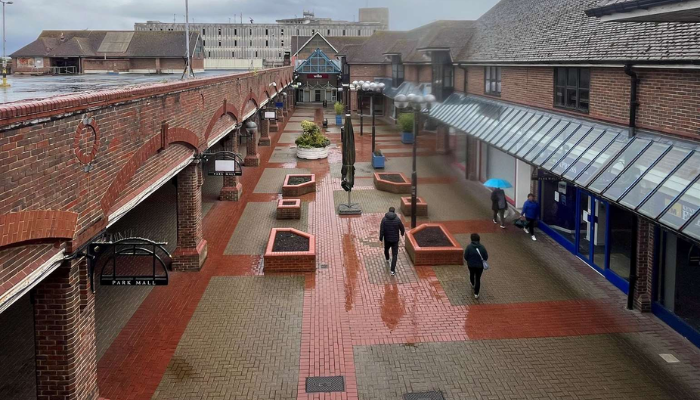
Park mall ashford demolition has become one of the most talked-about topics in the local community, sparking curiosity, concern, and optimism all at once. Once a bustling retail hub, Park Mall stood as a symbol of Ashford’s commercial heartbeat. Over time, however, shifting shopping habits, the rise of e-commerce, and changing urban needs transformed this once-vibrant space into a candidate for reinvention.
The discussion around park mall ashford demolition is not merely about tearing down a building—it’s about reshaping a town’s future. Demolition represents closure, but it also represents opportunity. From economic revitalization to urban redesign, this moment is a bridge between Ashford’s past and its next chapter. Understanding what this change means, why it’s happening, and how it will impact residents helps frame the narrative in a positive, forward-looking way.
The History and Cultural Importance of Park Mall
Park Mall was once more than just a shopping center; it was a gathering place for families, teenagers, and local businesses. For decades, it hosted first jobs, weekend outings, and community memories. Its corridors echoed with the sounds of seasonal promotions, school holiday excitement, and the everyday rhythm of town life. In many ways, Park Mall became a landmark that defined a generation’s experience in Ashford.
As time passed, the mall struggled to adapt to new consumer behaviors. Traditional brick-and-mortar retail faced fierce competition from online platforms, and foot traffic declined. Despite efforts to modernize, the structure itself became outdated. The conversation around park mall ashford demolition emerged from this reality, reflecting the broader shift in how towns must evolve to remain vibrant and economically sustainable.
This cultural backdrop is important. Demolition does not erase memories; it acknowledges them while making room for progress. Preserving the spirit of Park Mall in future development can ensure that the site continues to serve as a community focal point—just in a more modern form.
Why Park Mall Ashford Demolition Became Necessary
The need for park mall ashford demolition stems from a combination of economic, structural, and social factors. Aging infrastructure can become costly to maintain, especially when vacancy rates rise. Empty units not only reduce revenue but also impact the surrounding area, creating a cycle of decline that affects nearby businesses and public perception.
Urban planners and local authorities often face a choice: invest heavily in retrofitting an outdated structure or clear the space for something entirely new. In many cases, demolition becomes the most viable option. It allows for flexible redevelopment that aligns with modern needs, such as mixed-use spaces, green areas, housing, and community facilities.
Additionally, safety and sustainability play key roles. Older buildings may not meet current environmental or accessibility standards. Demolishing and rebuilding provides the opportunity to incorporate energy-efficient designs, better transport integration, and inclusive public spaces. The park mall ashford demolition is therefore not a sign of failure but a strategic step toward long-term resilience and growth.
Environmental and Economic Impact of the Demolition
One of the most important aspects of park mall ashford demolition is its environmental footprint. Modern demolition projects are far more sustainable than those of the past. Materials can be salvaged, recycled, or repurposed, reducing waste and lowering the carbon impact. Concrete can be crushed and reused, metals recovered, and timber redirected for other uses.
From an economic perspective, demolition sets the stage for job creation. The process itself requires skilled labor, from engineers and site managers to equipment operators. Beyond that, redevelopment attracts investment and stimulates the local economy. New construction brings contracts, suppliers, and long-term employment opportunities.
The ripple effect extends further. Revitalized areas often attract new businesses, increase property values, and enhance public confidence. The park mall ashford demolition can become a catalyst for wider regeneration, encouraging improvements in infrastructure, transport, and public services. When handled strategically, this transformation benefits not only the site but the entire town.
Community Reactions and Public Sentiment
Community response to park mall ashford demolition is naturally mixed. For many residents, the mall holds emotional value. It represents childhood memories, social milestones, and a sense of continuity. The idea of seeing it disappear can feel like losing a piece of personal history.
At the same time, there is growing recognition that towns must evolve. Many residents welcome the possibility of new housing, green spaces, cultural venues, or modern retail concepts. Public consultations and open forums often reveal a shared desire for development that reflects local identity while embracing innovation.
Transparent communication is essential during this phase. When authorities involve the community in planning, people feel invested in the outcome. The park mall ashford demolition becomes a shared journey rather than a top-down decision. This sense of collective ownership can transform uncertainty into excitement, ensuring that the new development truly serves local needs.
What Comes Next: Redevelopment Opportunities
The real story behind park mall ashford demolition lies in what follows. A cleared site offers a blank canvas, free from the constraints of outdated architecture. Planners can design spaces that combine living, working, and leisure in ways that reflect modern urban life.
Mixed-use developments are increasingly popular, blending residential units with shops, offices, and recreational areas. This approach creates vibrant neighborhoods that remain active throughout the day. Adding green spaces, pedestrian-friendly paths, and cultural venues can transform the area into a destination rather than just a retail zone.
Redevelopment also allows for smarter integration with transport networks. Improved accessibility encourages foot traffic and reduces reliance on cars. By aligning the new project with sustainability goals, Ashford can position itself as a forward-thinking town. The park mall ashford demolition thus becomes the foundation for a future that balances heritage, innovation, and quality of life.
Conclusion
Park mall ashford demolition marks a pivotal moment in Ashford’s evolution. While it signals the end of an era, it also opens the door to renewal, creativity, and growth. The mall’s legacy lives on in community memories, but its physical transformation creates space for something better suited to today’s needs.
Demolition is not destruction for its own sake—it is preparation. With thoughtful planning, environmental responsibility, and community involvement, this site can become a symbol of progress. The story of park mall ashford demolition is ultimately about resilience: how a town honors its past while boldly shaping its future.
FAQs
1. What is park mall ashford demolition?
Park mall ashford demolition refers to the planned removal of the former Park Mall structure in Ashford to make way for new development.
2. Why is the mall being demolished instead of renovated?
Renovation can be costly and limiting for older structures. Demolition allows for flexible, modern redevelopment that meets current needs.
3. Will the demolition affect nearby businesses?
Short-term disruption is possible, but long-term benefits often include increased foot traffic and economic growth in the area.
4. Is the demolition environmentally responsible?
Modern demolition practices prioritize recycling and material recovery, reducing waste and environmental impact.
5. What type of development is expected after demolition?
Many projects focus on mixed-use spaces, combining housing, retail, offices, and public areas.
6. How long does a demolition project usually take?
Timelines vary, but large-scale mall demolitions typically take several months from start to finish.
7. Will residents be involved in redevelopment decisions?
Public consultations are common, allowing community members to share input and shape the future of the site.
8. Does demolition mean the area is declining?
No. Demolition often signals renewal and investment, positioning the area for long-term growth.
9. Can historical elements of the mall be preserved?
In some cases, features or materials can be repurposed to honor the site’s history in the new development.
10. How will park mall ashford demolition benefit the town?
It creates opportunities for economic revitalization, modern infrastructure, and spaces that better serve the community.
About the Author