10 tbsp to cups is a conversion that seems simple at first glance, yet it often causes confusion in kitchens around the world. Whether you are baking a delicate cake, preparing a sauce, or scaling a recipe up or down, knowing how to accurately convert tablespoons into cups can make the difference between success and disappointment. Measurements matter, especially in cooking and baking where precision affects flavor, texture, and consistency.
In this in-depth guide, we will explore everything you need to know about converting 10 tbsp to cups, including the math behind the conversion, practical kitchen tips, and common mistakes to avoid. This article is designed to be both informative and creative, helping home cooks, bakers, and food enthusiasts feel confident every time they measure ingredients. By the end, you will not only know the answer but also understand how and why the conversion works.
Understanding the Basics of Tablespoons and Cups
Tablespoons and cups are both common units of volume used in cooking and baking, especially in recipes from the United States. A tablespoon is a relatively small unit, typically used for measuring liquids, spices, oils, and flavorings. A cup, on the other hand, is a much larger unit often used for flour, sugar, milk, and other bulk ingredients. Understanding how these two measurements relate is essential before tackling the 10 tbsp to cups conversion.
In standard US measurements, one cup is equal to 16 tablespoons. This relationship forms the foundation of all tablespoon-to-cup conversions. Once you know this ratio, converting any number of tablespoons into cups becomes a straightforward mathematical process. However, many people still struggle because recipes often mix units, requiring quick mental math or accurate measuring tools.
Beyond the numbers, it is also important to recognize why these units exist. Tablespoons allow for fine control over small quantities, while cups are more efficient for larger amounts. When you understand the purpose behind each unit, converting 10 tbsp to cups feels less like a chore and more like a useful kitchen skill that improves your overall cooking confidence.
The Exact Conversion: 10 Tbsp to Cups Explained
When converting 10 tbsp to cups, the key is to remember the standard conversion factor: 1 cup equals 16 tablespoons. To find how many cups are in 10 tablespoons, you divide 10 by 16. This calculation gives you 0.625 cups. In other words, 10 tablespoons is equal to five-eighths of a cup.
This fractional value is important because many measuring cups are marked with fractions such as 1/4, 1/3, 1/2, and sometimes 3/4. Five-eighths of a cup may not always be clearly labeled, which is why understanding the decimal equivalent can also be helpful. At 0.625 cups, 10 tbsp to cups sits slightly above the half-cup mark, making it easier to estimate if needed.
Knowing this exact conversion helps prevent overpouring or under-measuring ingredients. For example, if a recipe calls for 10 tablespoons of oil and you mistakenly use 3/4 cup instead, the dish could become greasy or unbalanced. Precision ensures consistency, and consistency is the hallmark of a skilled cook.
Why Accurate Measurement Matters in Cooking and Baking
Accurate measurement plays a critical role in achieving reliable results, particularly in baking. Unlike cooking, where ingredients can often be adjusted by taste, baking relies on chemical reactions between precise quantities of flour, fat, sugar, and liquid. When converting 10 tbsp to cups, even a small error can affect the structure and texture of baked goods.
For instance, too much liquid can make a cake dense or soggy, while too little fat can result in dryness. Understanding that 10 tablespoons equals 0.625 cups allows you to follow recipes faithfully, even when you need to switch measurement units due to the tools you have available. This knowledge empowers you to adapt recipes without sacrificing quality.
In everyday cooking, accurate measurement also contributes to balanced flavors. Sauces, dressings, and marinades often depend on precise ratios of oil, acid, and seasoning. When you confidently convert 10 tbsp to cups, you can scale recipes up for gatherings or down for single servings while maintaining the intended taste.
Practical Kitchen Tips for Measuring 10 Tbsp to Cups
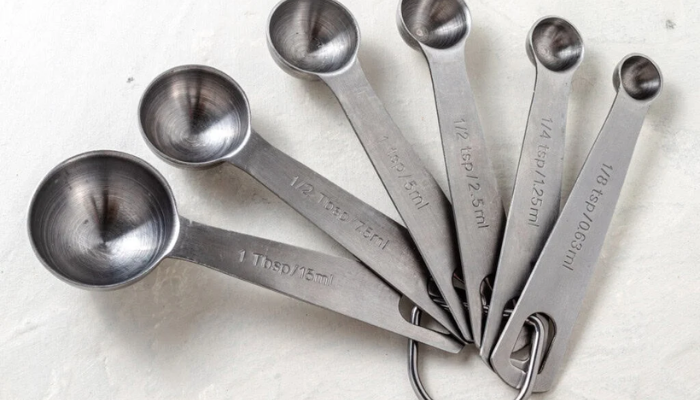
One of the easiest ways to measure 10 tbsp to cups is by using a tablespoon measuring spoon and counting carefully. This method is highly accurate, especially for thick or sticky ingredients like honey or peanut butter. While it may take a bit longer, it ensures that you are using the exact amount the recipe requires.
Another practical approach is to use a liquid measuring cup with clear markings. Since 10 tablespoons equal 0.625 cups, you can fill the cup slightly above the half-cup line. Some measuring cups include metric measurements, which can also help if you are comfortable switching between systems. The key is to measure at eye level and place the cup on a flat surface to avoid parallax errors.
For efficiency, experienced cooks often memorize common conversions like 10 tbsp to cups. This saves time and reduces reliance on calculators or charts. Over time, these conversions become second nature, making your time in the kitchen smoother and more enjoyable.
Common Mistakes and Misconceptions About Tbsp to Cups
One common mistake when converting 10 tbsp to cups is assuming that all tablespoons and cups are the same worldwide. In reality, measurement standards can vary slightly between countries. The conversion discussed here applies specifically to US customary measurements, which are the most common in American recipes.
Another misconception is rounding measurements too aggressively. While it may seem convenient to round 0.625 cups up to 0.75 cups or down to 0.5 cups, doing so can significantly alter a recipe. Precision matters, especially in baking. Understanding the exact value of 10 tbsp to cups helps you resist the temptation to guess.
Finally, many people confuse dry and liquid measurements. While tablespoons are consistent in volume, cups can differ depending on whether they are designed for dry or liquid ingredients. Using the correct measuring tool ensures that your conversion from 10 tbsp to cups remains accurate and reliable.
Conclusion
Mastering the conversion of 10 tbsp to cups is a small yet powerful step toward becoming a more confident and capable cook. By understanding that 10 tablespoons equal 0.625 cups, you gain the ability to adapt recipes, measure ingredients accurately, and achieve consistent results in both cooking and baking. This knowledge reduces guesswork and enhances the overall quality of your dishes.
From understanding basic measurement units to avoiding common mistakes, this guide has provided a comprehensive look at why and how this conversion works. With practice and attention to detail, converting 10 tbsp to cups will become second nature, allowing you to focus on creativity and enjoyment in the kitchen rather than worrying about measurements.
Frequently Asked Questions (FAQs)
1. How many cups is 10 tablespoons?
10 tablespoons is equal to 0.625 cups, or five-eighths of a cup.
2. Is 10 tbsp more than half a cup?
Yes, 10 tablespoons is slightly more than half a cup, which is 8 tablespoons.
3. Can I round 10 tbsp to 3/4 cup?
Rounding up to 3/4 cup is not recommended, as it adds extra volume and may affect the recipe.
4. How do I measure 10 tbsp without a tablespoon?
You can use a measuring cup and fill it to 0.625 cups, slightly above the half-cup mark.
5. Does 10 tbsp to cups change for dry ingredients?
The volume conversion remains the same, but proper measuring technique for dry ingredients is important.
6. Why do recipes use tablespoons instead of cups?
Tablespoons allow for more precise measurement of smaller quantities.
7. Is 10 tbsp equal to 2/3 cup?
No, 2/3 cup is approximately 10.67 tablespoons, which is slightly more than 10 tablespoons.
8. Are US and metric tablespoons the same?
No, metric tablespoons differ slightly, so always check the measurement system used in the recipe.
9. Can I use a scale instead of converting 10 tbsp to cups?
Yes, but you need to know the weight of the specific ingredient you are measuring.
10. Why is learning 10 tbsp to cups useful?
It helps you adapt recipes, measure accurately, and achieve consistent cooking and baking results.
About the Author